How To Market Older And Character Homes In Cuero
March 26, 2026
March 26, 2026
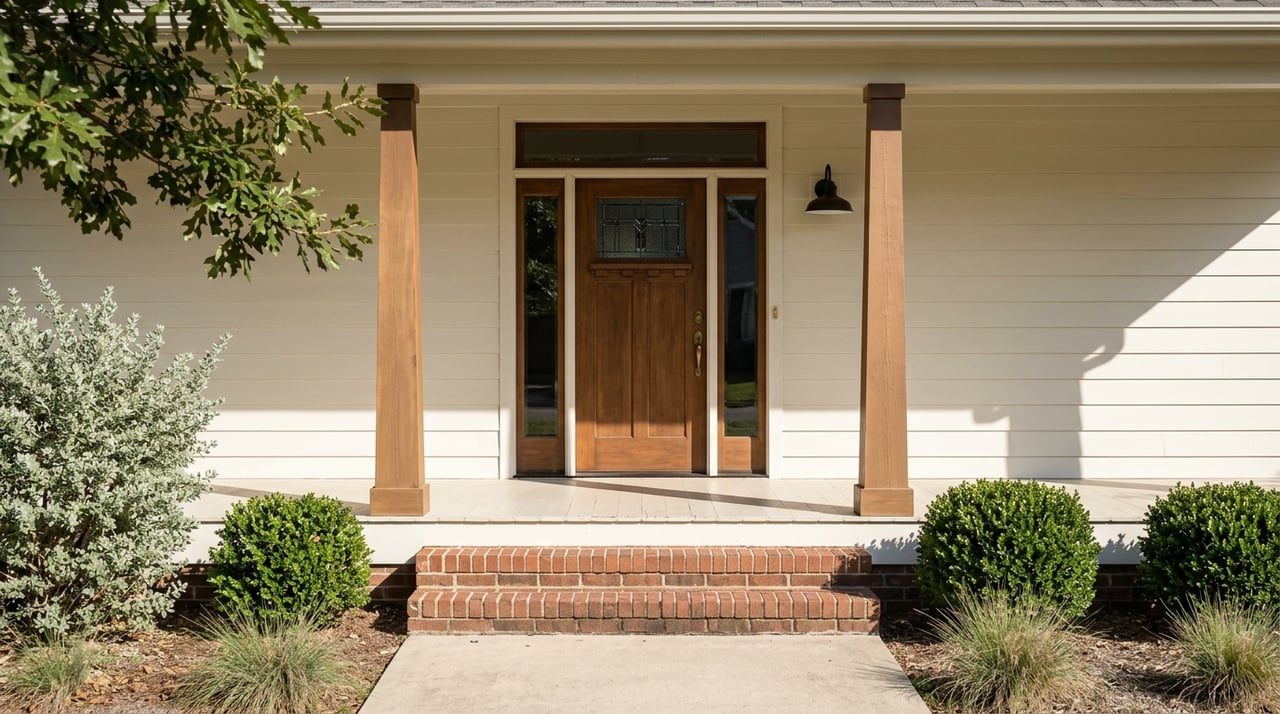
Is your Cuero home rich with original woodwork, tall windows, and a welcoming front porch? You have something special that many buyers are seeking. Marketing a home with history takes a different playbook than selling a newer build, and it starts with knowing what to highlight, what to update, and how to reach the right buyers. In this guide, you’ll learn how to showcase authentic character, make smart improvements, and present your home so it stands out online and in person. Let’s dive in.
Your home’s story is a powerful asset. Buyers connect with a sense of place and authenticity, especially in a town known for preserved architecture and community pride.
Many of Cuero’s most distinctive homes sit near its historic resources, including the Cuero Commercial Historic District, the Terrell–Reuss Streets Historic District, and the East Main Street Residential Historic District. The city’s walking and driving guide is a great place to start researching architecture and notable properties near you. Explore the city’s Historic Sites Guide to identify styles, architects, and era details that may mirror your own home’s features. You can find it in the city’s Historic Sites Guide.
Cuero is a small city of just over eight thousand people, which adds to its tight-knit feel and regional draw. For a quick community snapshot, see the latest population figures in the U.S. Census QuickFacts for Cuero.
Create a brief provenance sheet that includes:
Buyers who value history want to verify what they see. The National Association of REALTORS® offers a helpful consumer guide to buying a historic property that explains what to look for and how to confirm designations. Use it to align your documentation with buyer expectations.
Older homes compete well when you highlight irreplaceable elements and pair them with practical updates. Lead with what new builds cannot copy: mature trees, original millwork, unique windows, and porch living. Then back that charm with proof of sound systems and thoughtful modernization.
Aim for authentic character + modern confidence. Show original details in photos, then reduce uncertainty with clear disclosures about updates, receipts, and inspection summaries.
Start with safety, structure, and systems. Address electrical to current code, HVAC performance, roof condition, and any foundation or structural concerns. When character matters, repair is often better than replacement for defining features. The National Park Service’s Secretary of the Interior’s Standards for Rehabilitation emphasize retaining historic materials where feasible.
You do not have to gut and start over. A minor or midrange kitchen remodel often offers one of the stronger cost recoup rates relative to bigger projects. Use the regional benchmarks in the Remodeling Cost vs. Value Report to set expectations and choose the right scope.
Comfort upgrades also matter. Attic insulation, air sealing, and efficient HVAC can make an immediate difference in daily living and operating costs, which helps your home compete with newer builds. Document what you improve and keep the receipts with your listing materials.
Most buyers start online, and the right visuals help them fall in love before they step inside.
Interactive tours and measured floor plans let remote and out-of-area buyers understand your home’s layout and character flow. The NAR’s buyer profile confirms that shoppers rely heavily on online search and virtual media during their home search. See the 2023 Profile of Home Buyers and Sellers highlights. If a 3D tour is used, track engagement and tour completions to gauge interest. For additional context on 3D tour engagement, explore the Matterport blog.
Staging helps buyers imagine daily life without hiding what makes your home special.
Realtors report that staging can reduce days on market and modestly improve offers. For national context on how often staging helps, see this summary of findings shared by Florida Realtors.
Cuero is a smaller market, so monthly metrics can swing due to a handful of sales. Public portals often show different short-term numbers because their data windows vary. Treat recent figures as directional and verify the latest MLS snapshot when you set your price. Expect stepwise movements compared with larger metros.
Buyer interest can come from within Cuero and from nearby towns. Victoria is roughly 25 to 30 driving miles away, which expands your reach to commuters and regional buyers who want small-town living. For reference, see driving distance estimates between Cuero and Victoria.
Track real-time interest once listed. Watch online views and saves, showings per week, and feedback on layout, systems, and finishes. Adjust pricing or presentation based on patterns, not one or two comments.
Use this step-by-step plan to hit the market strong.
Before you promise or plan changes, confirm what is allowed. Rules vary by district and municipality. The NAR’s consumer guide to buying a historic property and the Texas Historical Commission both advise checking local planning or historic commission requirements early.
If you are considering a larger rehabilitation, the Secretary of the Interior’s Standards define what counts as appropriate work for certification. Federal and state historic rehabilitation tax credits in Texas are generally aimed at income-producing or nonprofit-used buildings. Owner-occupied single-family homes are typically not eligible. See the Texas Historical Commission’s program factsheet for eligibility basics, and do not advertise credits without project-level confirmation.
Selling a character home takes local knowledge and modern marketing. We combine neighborhood expertise in Cuero and the Victoria region with professional presentation and broad digital reach. When appropriate, we coordinate high-quality photography, floor plans, and 3D tours, and we tailor distribution to the buyers most likely to value your home’s period details. We also help you gather documentation, price with local MLS context, and track the right engagement metrics so your listing performs from day one.
Ready to showcase your Cuero home’s authentic charm with modern confidence? Reach out to The Orr Group for a free home valuation and a custom marketing plan that fits your property and goals.
Stay up to date on the latest real estate trends.
We believe in using technology to build and foster relationships within our community. We offer years of experience combined with an unwavering commitment to our clients and their real estate needs.