Port Lavaca Second Home Guide: What Buyers Should Know
February 26, 2026
February 26, 2026
Dreaming of an easy weekend escape on Lavaca Bay? You’re not alone. Port Lavaca draws buyers looking for an affordable coastal retreat with fishing, boating, and low-key beach time. In this guide, you’ll get a clear picture of what you can buy, what it costs to hold, how insurance and taxes work, and the steps to take before you make an offer. Let’s dive in.
Port Lavaca is a small Gulf Coast city on Lavaca Bay with relaxed beaches and year-round coastal fun. You can spend mornings at Lighthouse Beach or head to nearby Magnolia Beach for wide, drive-on shoreline and easy fishing access. These amenities help support steady seasonal demand and a laid-back pace that many second-home buyers want. This local beach roundup is a great place to start your planning.
Market snapshots for Port Lavaca can vary month to month because it’s a smaller coastal market. Different websites use different methods, and a handful of sales can swing the numbers. Instead of locking onto a single figure, focus on your preferred location and property type, then compare recent local comps when you’re ready to move.
You’ll see a range of options at different price points. Your budget and how close you want to be to the water will guide your search.
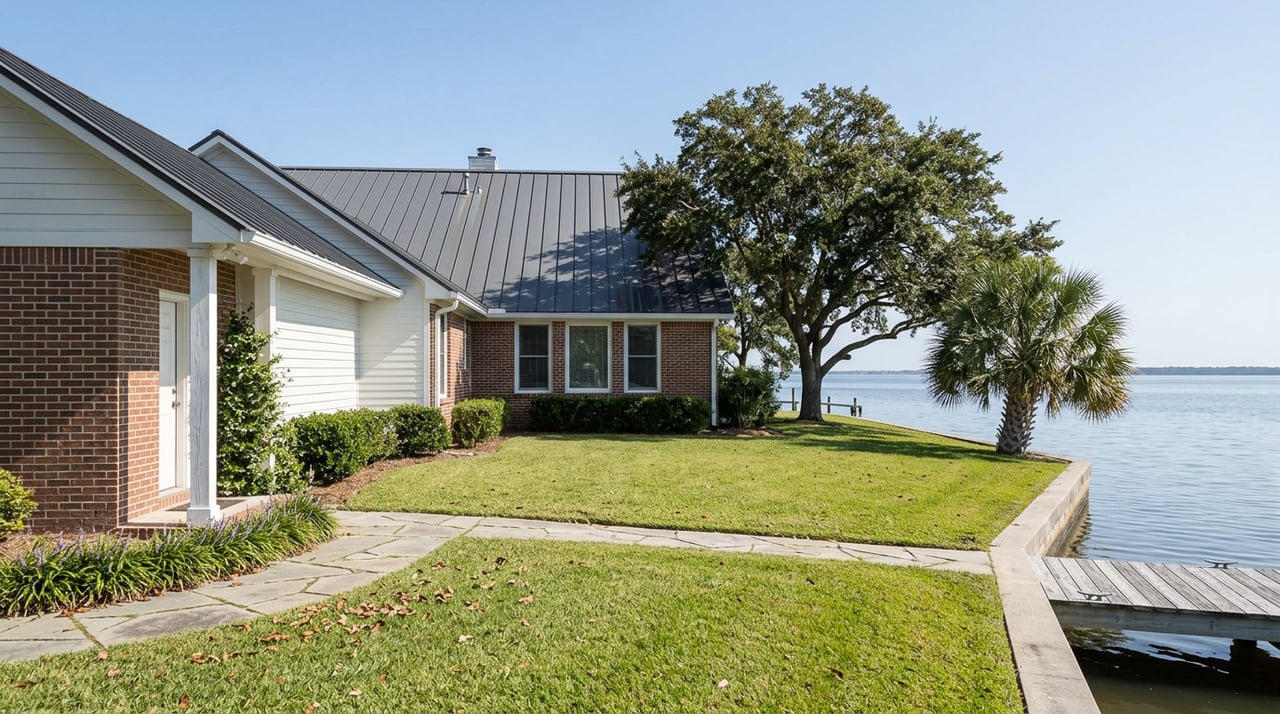
Direct bayfront properties sit at the top of the market. Many are elevated coastal homes that take advantage of views and breezes. Lots with protected shoreline or a pier setup often carry a premium. Even homes with waterviews or short walks to the bay tend to price above similar inland homes.
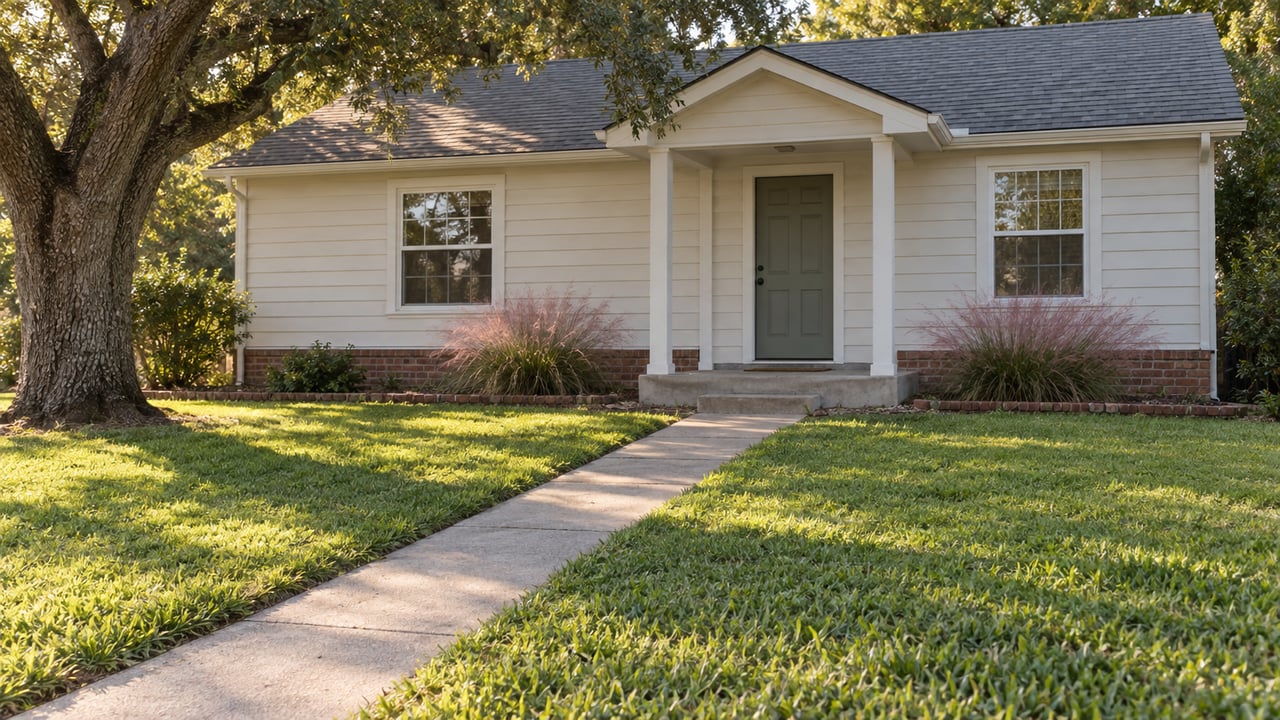
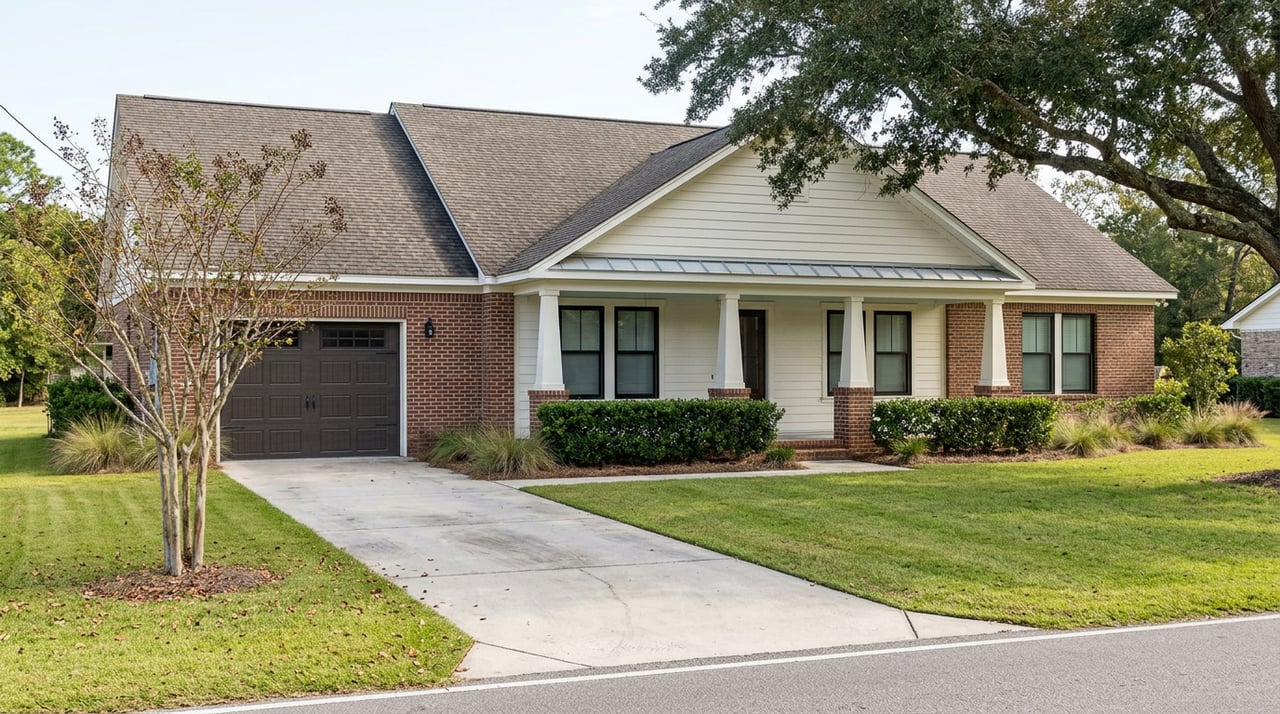
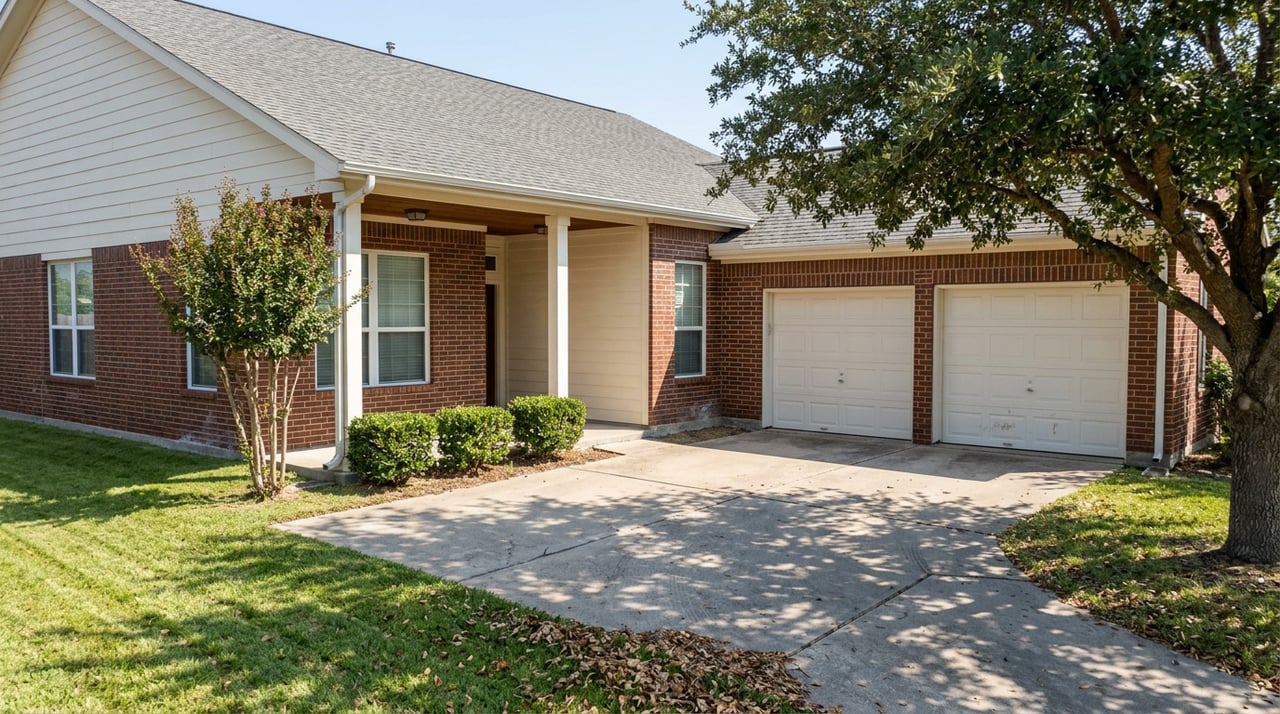
Move inland and you’ll find a mix of older cottages, traditional single-family homes, and manufactured homes on lots. Prices usually step down as you move away from the water. If you want a simple lock-and-leave place for weekend use, these can be smart buys with lower insurance and upkeep than direct waterfront.
If you’re thinking about building, look at waterview or inland lots. They usually price below improved waterfront homes. For any vacant lot, confirm utility availability and tap fees, plus any deed restrictions or building requirements before you write an offer.
The closer you get to the bay, the more your budget, inspections, and insurance matter. Use these points to plan.
Waterfront and near-bay homes are more likely to be in FEMA special flood hazard areas. Always pull the FEMA panel for the address and note the zone, base flood elevation, and elevation certificate status. You can check the map through the FEMA Flood Map Service Center.
Port Lavaca is also in Texas’s coastal wind zone. Some private policies exclude wind, so you may need a separate windstorm policy, often through the Texas Windstorm Insurance Association. Learn how wind coverage works and why building certifications matter from this windstorm insurance overview.
Salt air and storm exposure can mean more frequent exterior care. Waterfront homes often need elevated foundations, corrosion-resistant materials, and attention to shoreline systems like seawalls. Expect more routine washing, paint, and metal maintenance compared with inland homes. This coastal upkeep guide explains why exterior finishes and fasteners take extra wear near saltwater.
Before you shop, build a simple annual budget. Think taxes, insurance, utilities, routine maintenance, and management if you will be remote.
A Port Lavaca tax bill usually includes Calhoun County, the City of Port Lavaca, and the local school district, plus any special districts. Combined rates often land in the low 2 percent range of taxable value, though your exact bill will vary by parcel and exemptions. Homestead exemptions typically do not apply to a second home. Use the Calhoun CAD tax information page to confirm the taxing entities and current adopted rates for any address.
Most coastal owners carry three lines of coverage: a homeowner’s policy, separate windstorm coverage, and flood insurance if required or prudent. Premiums vary by construction, elevation, claims history, and carrier. If a property is in a high-risk flood zone and you have a federally backed mortgage, flood insurance is required. Start early, get quotes from multiple carriers, and compare NFIP and private flood options. Use FEMA’s map tool to verify zones at the FEMA Flood Map Service Center and review how wind coverage works in this Texas windstorm guide.
Budget normal utilities and plan for higher summer A/C usage. Set aside funds for routine care. A simple rule of thumb is 1 to 2 percent of the property’s value per year for maintenance and small repairs. Coastal exposure can push exterior costs higher, so keep a separate reserve for roof, piling, or seawall work.
If you won’t visit often, consider the cost of local help. Long-term rental managers typically charge about 8 to 12 percent of monthly rent. Short-term rental managers often take 15 to 25 percent of gross revenue, plus cleaning and platform fees. Here is a clear breakdown of typical property management fees.
Your loan type, personal use, and any rental activity affect both costs and compliance.
Lenders classify occupancy as primary, second home, or investment property. The category changes your maximum loan-to-value, pricing, and reserve needs. Conforming programs generally allow higher LTVs for second homes than for investment properties. Review current guidance in Freddie Mac’s LTV requirements and speak with a lender who understands coastal second-home underwriting.
IRS rules treat a pure second home differently from a property you also rent. Mortgage interest and property taxes may be deductible as itemized deductions, subject to limits. If you rent the home, you must report income and expenses, and your personal-use days affect what you can deduct. Review the IRS’s homeowner guidance and rental-use basics here: IRS publication page for homeowners. Speak with a tax professional about how the 14-day rule and allocation rules apply to your plan.
If you operate a short-term rental, you must collect and remit occupancy taxes. The State of Texas levies a 6 percent hotel occupancy tax. Municipalities can add their own tax, and Port Lavaca’s municipal HOT is 7 percent according to the city’s finance materials. Learn how the state tax works from the Texas Comptroller’s overview and see local remittance information on the city’s Hotel Occupancy Tax page. Also verify whether your booking platform collects on your behalf or if you must file separately.
Use this list before you write an offer, especially if you’re comparing waterfront and inland options.
Choose Port Lavaca if you want relaxed coastal living, fishing and boating access, and a more attainable price point than many Texas beachfront markets. It is especially practical if you are comfortable budgeting for coastal insurance and upkeep. If you plan to rent part-time, model conservative revenue around seasonal demand and make sure your emergency reserves are solid.
Buying here is about trade-offs. Waterfront delivers views and access, but you need to budget for wind and flood coverage plus extra exterior care. Inland homes cut those costs and still keep you close to the bay. With a clear plan and local guidance, you can find the right balance for your budget and lifestyle.
If Port Lavaca fits your wish list, we’re ready to help you compare neighborhoods, refine costs, and move with confidence. Reach out to The Orr Group to start your second-home game plan and explore current opportunities.
Stay up to date on the latest real estate trends.
We believe in using technology to build and foster relationships within our community. We offer years of experience combined with an unwavering commitment to our clients and their real estate needs.