Ever picture mornings that start with big skies and room to roam, but still want an easy drive to town? If you are eyeing acreage near Inez, you are in the right place. Buying land outside city limits has a few more moving parts than an in‑town home, and a clear plan saves you time and money. In this guide, you will learn the exact steps to take, the local rules that matter in Victoria County, and how to spot a solid tract before you write an offer. Let’s dive in.
Why buy acreage in Inez
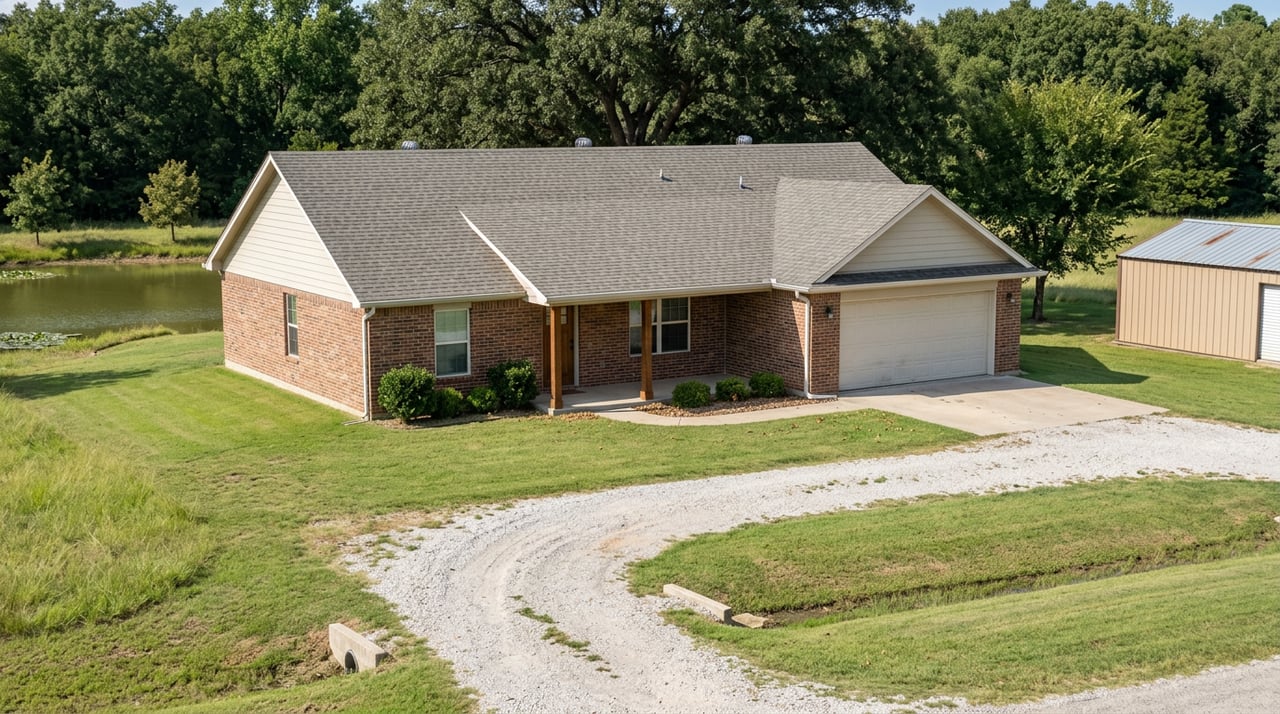
Inez sits about 15 miles northeast of Victoria along US 59/I‑69, so you can enjoy rural space with a short drive to services, jobs, and healthcare in the city. The area around Inez spans a wide mix of tracts, from 5 to 20 acre hobby parcels to 60, 100, or more acres for ranch and recreation. That variety lets you match land size to your goals, whether you want a homesite, livestock space, or a weekend escape.
Because Inez is unincorporated, many parcels follow county, state, and groundwater district rules rather than city zoning. That often means more flexibility, but it also means you manage your own utilities and site planning. A little due diligence goes a long way here.
What makes acreage different
Buying acreage is not just a bigger lot. You will confirm access, utilities, on‑site wastewater, floodplain, and sometimes minerals and easements. Use this short checklist to organize your search.
Permits, ETJ, and platting
- There is no countywide zoning in unincorporated Victoria County, and the county does not issue building permits or certificates of occupancy for those areas. Always confirm whether a parcel lies inside a city or a city Extraterritorial Jurisdiction (ETJ), since that can change the process.
- If you plan to split land later, know that dividing into lots 10 acres and smaller typically triggers platting under state and county rules.
- Review the county’s process in the County of Victoria Development & Permit Guidelines so you know the steps that apply to your tract. You can find them in the county’s published guidance here: County of Victoria Development & Permit Guidelines.
Access and driveways
- Verify legal access in the deed, not just a path across a fence line. Ask for any recorded road‑maintenance agreements if the road is private.
- New driveways that meet a county road go through your precinct commissioner. If your driveway connects to a state highway, you will need a TXDOT driveway permit for the Yoakum District. The county’s development guidelines explain the basics.
Septic systems (OSSF)
- Most acreage needs an on‑site sewage facility. The county administers permitting and inspections, and you typically submit a soil and site evaluation from a TCEQ‑licensed pro.
- There is a local exception. A single‑family home on a tract 10 acres or larger may qualify for an OSSF exemption if it meets listed conditions. Always verify whether an existing system has an authorization to operate. See the county program details here: Victoria County OSSF program.
Water supply and wells
- Many rural tracts rely on private water wells. The Victoria County Groundwater Conservation District manages well registration and permitting. Confirm well registration, depth, pump condition, and water quality testing before you close. Start here: Victoria County Groundwater Conservation District.
- Some subdivisions use water improvement districts or municipal systems. Your title work or seller’s disclosure should make that clear.
Power, internet, and cell
- Electric service in rural Victoria County is often provided by cooperatives such as Victoria Electric Cooperative. Confirm the nearest line and the cost to extend service to your planned homesite. You can identify the electric provider for a parcel using the PUC Texas service territory directory.
- Broadband varies by address. Fixed wireless, fiber co‑op projects, and satellite options like Starlink are common. Check availability early if remote work is a priority.
Floodplain and drainage
- Flood status affects buildable area, insurance, and sometimes financing. Check FEMA maps, the county’s floodplain resources, and obtain an elevation certificate if required. The county outlines the permitting approach in its Development & Permit Guidelines.
Soils and building suitability
- Local soils can include shrink‑swell clays that impact foundations, driveways, and septic drainfields. Use a soil/site evaluation and consult the NRCS soil survey when planning your homesite and system type.
Minerals, pipelines, and easements
- In Texas, surface and mineral estates are often severed. Ask your title company to flag mineral reservations, oil and gas leases, and pipeline easements. If a producing well or pipeline crosses the tract, it can affect where you build and how you use the land.
Financing your Inez acreage
Lending for acreage depends on whether there is a home and how you plan to use the property. Here is what to expect.
Common loan paths
- Conventional mortgage for a house on acreage. If the home meets standard guidelines and the site is typical for the area, many lenders treat it like a residential loan. They will still verify access, well, and septic.
- Lot or land loans for raw tracts. These usually have larger down payments, shorter terms, and higher rates. Some buyers consider seller financing or a land‑plus‑construction plan if they will build soon.
- USDA Rural Development single‑family programs. USDA’s Guaranteed and Direct loans can finance homes on eligible rural parcels with low or no down payment. Eligibility is location and income based. Review the program overview and work with a participating lender using the USDA Single Family Housing factsheet.
- FHA or VA. These are typically for existing habitable homes, not raw land. Confirm details with your lender.
What lenders will ask for
- A current boundary survey and legal description. For complex sites, a lender may request an ALTA survey.
- Evidence of legal access. If access is by private road, many lenders want a recorded road‑maintenance agreement. Driveways on state roads may need a TXDOT permit as noted in the county’s development guidelines.
- Septic authorization. For properties with a home, lenders often want proof of an approved OSSF or authorization to operate. See the county OSSF program for how approvals work.
- Well documentation. Lenders may request proof of well registration, pump condition, and recent water quality tests. The VCGCD manages well registration and permitting.
- An appraisal that reflects what is typical for the market. USDA guidance notes there is no set acreage limit if the site is common for the area, which aligns with the mix of small and larger tracts around Inez. You can review the overview in the USDA factsheet.
Smart due diligence steps
Getting the order right keeps your deal on track and avoids last‑minute surprises.
Before you write an offer
- Confirm legal access and whether the access road is public or private. If you plan a new driveway, review the process in the county’s Development & Permit Guidelines.
- Verify utilities. Identify the electric provider and ask about the distance and cost to extend service. The PUC Texas directory helps you find the right contact. Confirm whether you will use a private well, a water district, or a city system.
- Check floodplain status. Review FEMA and county maps and factor in insurance and elevation needs.
- Order a title commitment. Review mineral reservations, oil and gas leases, pipeline and utility easements, and any deed restrictions that affect use or building.
Inspections to schedule
- Licensed surveyor. Confirms boundaries, acreage, easements, and encroachments.
- TCEQ‑licensed septic site evaluator and installer. Validates soil conditions and system type, which the county requires for OSSF permitting. Program details are on the Victoria County OSSF page.
- Well professional or hydrologist. Inspect the pump, review well logs and registration with the VCGCD, and run water quality tests.
- Home, roof, and pest inspections if structures exist.
- Phase I Environmental Site Assessment if there is past industrial, fuel storage, or oil and gas activity and your lender needs documentation.
Taxes, ag valuation, and timing
- Check the property record and tax history with the Victoria Central Appraisal District. If you plan agricultural or wildlife management use, review ag/open‑space (1‑d‑1) valuation requirements and deadlines. Start here: Victoria Central Appraisal District.
- Expect a slightly longer contract timeline than an in‑town home. Soil work, septic design, well checks, and floodplain items can add a few weeks. Build these contingencies into your contract.
Planning for the long term
- Agricultural or wildlife management use. If you intend to apply for ag or wildlife valuation, keep activity records and meet the intensity standards the CAD outlines. A change of use can trigger rollback taxes, so plan ahead.
- Fire and vegetation management. Rural brush can increase wildfire risk. Plan defensible space near homes and confirm local fire protection coverage.
- Water reliability. Ask for well performance history from the seller or driller and review local groundwater guidance. Simple steps like reserving space for a storage tank can add resilience.
- Minerals and pipelines. Surface operations may limit where you place a home, barn, or pond. Get clarity during title review so you can design around any corridors or equipment.
How we help you buy land in Inez
When you shop acreage, you want clear answers fast. Here is how we support your search and contract process:
- Property triage. We screen parcels for legal access, floodplain status, existing septic or permits, and basic utility feasibility so you focus on usable land that fits your budget, using county development and appraisal resources.
- Technical coordination. We connect you with TCEQ‑licensed septic evaluators, well drillers, and surveyors, then organize inspections and help you interpret reports.
- County coordination. We set up conversations with Victoria County Engineering & Development staff to clarify driveway, platting, and floodplain steps, based on the county’s published guidance.
- Taxes and valuation check. We pull Victoria CAD records, review ag valuation history, and outline next steps if you plan to apply for open‑space or wildlife management status.
- Financing match. We introduce lenders experienced with USDA RD, lot and land loans, and local credit unions. We also outline likely lender deliverables early, using the USDA Single Family Housing factsheet as a starting point.
- Comparative analysis. If you are torn between tracts, we prepare a side‑by‑side of utilities, septic feasibility, floodplain, and recorded encumbrances so your choice is clear.
Get current acreage options and comps
Land pricing moves with improvements, access, utilities, and recent sales, and small markets can shift quickly. Rather than quoting a number that may be stale next month, we will send you a current list of active and recent acreage near Inez that matches your size and use goals. Tell us how you plan to use the land, and we will tailor the search and the due diligence checklist for your shortlist.
Ready to explore acreage in Inez with a clear plan and local support? Reach out to The Orr Group and let’s map your next steps.
FAQs
What sizes of acreage are common around Inez?
- You will see a wide range, from 5 to 20 acre hobby parcels to 60 acres and larger ranch or recreational tracts, which lets you match land size to your plans.
Do I need a building permit in unincorporated Victoria County?
- Victoria County does not issue building permits or certificates of occupancy for unincorporated areas, but you must follow county development, floodplain, driveway, and septic rules, and check for any city ETJ requirements.
How do septic rules work for 10+ acre tracts?
- A single‑family home on a tract 10 acres or larger may qualify for an OSSF exemption if it meets listed conditions, but you should still verify system location, condition, and any authorization to operate with the county.
How can I confirm if a tract is in a floodplain?
- Review FEMA maps and the county’s floodplain resources and guidelines, and get an elevation certificate if required, since flood status affects buildability, insurance, and sometimes financing.
Can I use a USDA loan to buy a home on acreage near Inez?
- Yes, if the property and your income meet USDA eligibility; USDA does not set a strict acreage cap as long as the site is typical for the area and the home meets program standards.